Why a Repeated Cue Makes a Pastime Easier to Return To
A repeated cue makes a pastime easier to remember without a rigid schedule. Choose a natural daily moment and make the next action easy to begin.
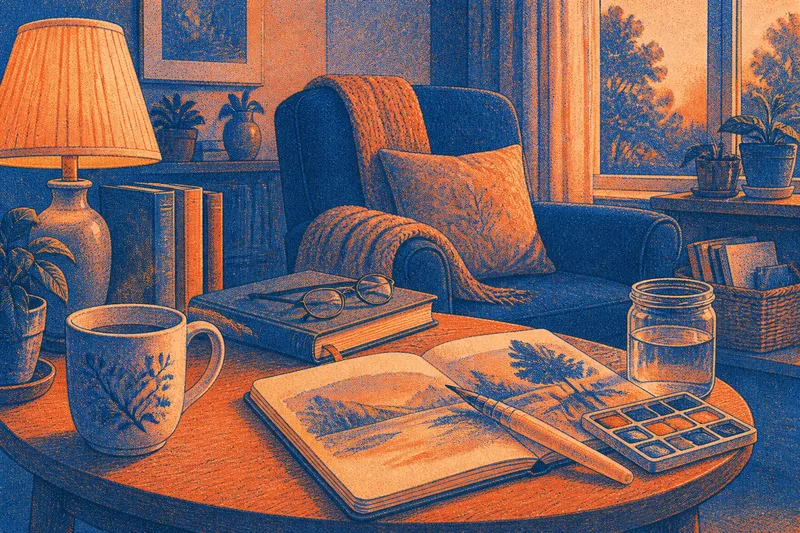
You finish your afternoon tea, rinse the mug, and notice the sketchbook still closed on the table. A repeated cue can help you remember a pastime at just that kind of natural stopping point. Instead of assigning the activity a fixed time, connect it to a moment that already happens.
What is a repeated cue for a pastime?
A cue is an ordinary event that reminds you what you meant to do next. It might be putting away breakfast, closing a book, returning from a walk, or settling into your favorite chair. The cue is not the pastime itself; it is the small, recognizable moment that brings the pastime to mind.
This works best as a reminder, not a command. “After I put the kettle away, I’ll look at my knitting” leaves room to choose. It does not require you to knit for a set stretch or to do it every day. The point is to make remembering easier, while keeping the activity optional.
Think of the cue like a bookmark. It marks where you might pick up, but it does not force you to keep reading when you are tired or busy.
How do you choose a cue that already fits?
Look for a moment that is both familiar and calm enough to notice. A cue that happens during a rushed transition may be easy to miss; one that follows a pleasant pause may feel more natural. Choose a moment you can recognize without checking a calendar or setting an alarm.
- Use a clear event: “After I clear my lunch plate” is easier to spot than “sometime in the afternoon.”
- Keep the cue connected to your actual day: If you rarely drink tea at home, do not build the reminder around finishing a cup.
- Choose a cue with a little breathing room: A moment when you can pause is more useful than one tied to leaving for an appointment.
- Keep the activity easy to reach: If your cue is closing a book, leaving a crossword and pencil nearby may help you begin.
Say you want to return to watercolor painting but usually put away breakfast before rushing out. You could instead connect painting to closing your evening reading. If you leave a water brush and a small pad on a protected side table, the cue can lead to a simple choice: paint for a while, or leave the materials untouched if you need rest.
What should happen after the cue?
Decide on a first action small enough to begin without negotiating with yourself. “Open the music app and choose a song” is a clearer starting point than “practice guitar.” “Set out the puzzle book” is more approachable than “work on puzzles for an hour.” A modest opening makes the activity feel available rather than like an appointment you have already failed to keep.
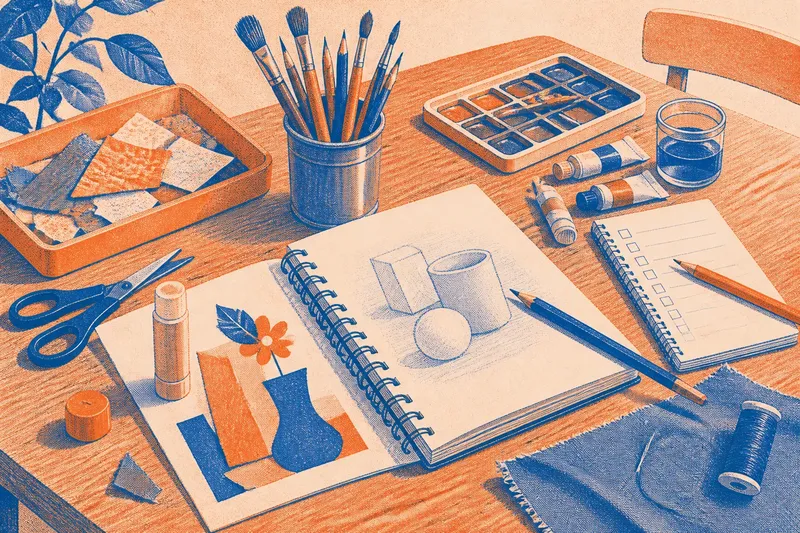
It can help to decide what counts as a complete return. For a creative pastime, that might be adding one line to a journal, arranging a few paper scraps, or reading a page of a craft book. The aim is not to shrink the activity forever; it is to leave a low-pressure doorway back in.
Keep the next action visible, but avoid making your living space feel like a permanent worksite. A project can wait in a folder, basket, or drawer near the cue. Choose a place that is convenient without blocking a shared surface or creating a problem for someone else in the household.
Why can a cue stop working?
A cue may become unhelpful if the surrounding routine changes, if the moment is too hectic, or if the activity starts to feel like another obligation. That does not mean you lack discipline. The connection may simply no longer fit your day.
Notice what happens when the cue appears. Do you remember the pastime but have no clear way to start? Is the activity too demanding for that part of the day? Does the cue occur when you are already focused on something important? Each answer points to a different adjustment: make the opening action smaller, move the materials, or choose another existing moment.
You can also let the cue be occasional. If finishing a book happens only when you have time to read, it is still a useful reminder on those days. A cue does not need to occur daily to help you reconnect with an activity.
What do people ask about repeated cues?
Does a repeated cue have to happen every day?
No. It can be linked to a moment that occurs weekly or irregularly, as long as you recognize it when it arrives. Keep the activity flexible rather than treating missed occasions as a debt to repay.
Should I set an alarm as well?
An alarm can help if you often miss the cue, but it changes the reminder from a natural moment to a timed prompt. Try the existing moment first, then add a gentle alarm only if it suits the way you prefer to be reminded.
What if I have several pastimes?
Give each activity a distinct cue or keep the cues in separate parts of your routine. If two pastimes compete for the same moment, choose the one that feels easiest to begin there and let the other use a different pause.
How do I know whether the cue is helping?
Notice whether the pastime comes to mind more readily and whether starting feels less like a separate task. If the cue adds pressure or keeps slipping past unnoticed, change it or set it aside.
How can you keep the reminder gentle?
Use language that offers a choice: “After I close the book, I can pick up the puzzle.” Avoid turning the cue into a rule such as “I must work on the puzzle before I relax.” The difference matters because leisure should remain something you can approach with interest, not a test of consistency.
When you want to make a pastime easier to remember, connect it to one familiar moment, prepare a simple first action, and give yourself permission to skip it. A repeated cue is useful precisely because it lowers the effort of returning without deciding for you. If your routine shifts, let the reminder shift with it.